
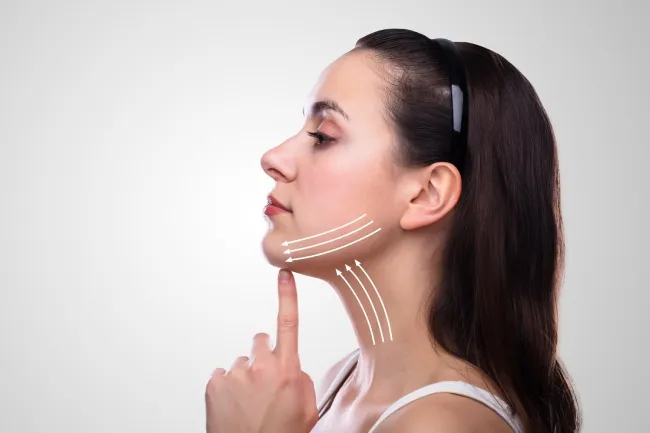
Braces and clear aligners can relieve TMJ pain when the pain is driven by a misaligned bite. Realigning the bite reduces strain on the jaw joint. When clenching, grinding or stress is the main driver, a splint usually comes first.
What actually causes TMJ pain?
TMD — temporomandibular disorder, commonly called TMJ — occurs when the muscles and joints that control your jaw become misaligned, strained or inflamed. Underlying bite issues such as misaligned teeth or a jaw alignment discrepancy frequently trigger the symptoms.
The symptoms patients describe most
- Jaw soreness or stiffness
- Pain or tenderness in the face, neck or shoulders
- Headaches or migraines
- Clicking, popping or grinding when opening or closing
- Difficulty chewing or opening wide
- Tooth wear from clenching or grinding
Why the cause changes the treatment
Two people with identical jaw pain can need completely different care. Pain that tracks with an uneven bite responds to orthodontic correction. Pain that flares with stress or overnight grinding responds faster to a splint and habit change. That is why diagnosis comes before any appliance.
How is TMJ diagnosed before treatment starts?
TMD/TMJ treatment in Houston, TX begins with a structured work-up rather than an appliance: a detailed patient history to map pain patterns and habits, a clinical jaw exam of joint movement and muscle tenderness, digital imaging and 3D scans of the bite and jaw alignment, a bite analysis for occlusal imbalances or deep bites, and a sleep and habit evaluation for nighttime grinding or clenching.
The goal is to pinpoint the root cause rather than manage symptoms, so the plan matches what is actually driving the pain.
Can braces or aligners fix TMJ — and when is a splint the better first step?
Both are real options, and they are frequently combined. Every plan begins with non-invasive options; in more advanced cases orthodontics is combined with splints or bite adjustments for long-term relief.
| Occlusal splint / night guard | Orthodontic correction | |
|---|---|---|
| What it does | Reduces grinding and protects teeth while easing joint strain | Aligns teeth and bite so the joint is loaded evenly |
| Best when | Clenching, grinding or stress is the main driver | A misaligned bite is the underlying cause |
| Typical timeline | Relief is often felt within weeks | Full correction may take upward of 6–12 months |
| Removable | Yes, worn at night | No for braces; yes for clear aligners |
Adults are the majority of TMD patients we see, and the treatment often runs through braces for adults or clear aligners for adults, depending on how much movement the bite needs and how visible you want treatment to be.
Other options that may be part of the plan
- Occlusal adjustments — minor reshaping of tooth surfaces to balance the bite
- Myofunctional therapy referrals — guided exercises for jaw posture and muscle use
- Relaxation and behavioral strategies to reduce stress-related clenching
What does successful TMJ treatment change day to day?
Patients generally measure success in ordinary things: chewing without guarding, mornings without a headache, a jaw that opens smoothly. Treatment aims at targeted relief from jaw and facial pain, fewer headaches and migraines linked to jaw tension, smoother movement with less clicking or popping, protection from further tooth wear, better sleep with less nighttime grinding, and a properly balanced bite.
Protecting the result matters too. After orthodontic correction, retainers hold the corrected bite in place; without them, teeth drift and the strain can return.
Should you get evaluated for TMD?
Consider booking an evaluation if you have frequent headaches or migraines, jaw pain or stiffness, clicking, popping or locking, tooth wear from grinding, discomfort chewing or opening wide, neck and shoulder tension tied to jaw habits, or pain that fluctuates with stress and sleep. Whether symptoms are mild or chronic, an early check-in can keep a small misalignment from escalating.
If your symptoms include snoring or disrupted sleep alongside the jaw pain, ask about an airway evaluation at the same visit — clenching and airway issues often travel together in adults.
What does TMD treatment look like month by month?
The sequence matters as much as the appliance. Care generally moves from diagnosis to protection to correction, and each step is only taken if the previous one shows it is needed.
First: diagnosis and protection
The work-up establishes the cause, and a custom occlusal splint protects the teeth and eases joint strain while symptoms settle. Relief from a splint is often felt within weeks, which also confirms how much of the pain is grinding-driven.
Then: bite correction if the bite is the problem
If the analysis shows an occlusal imbalance or a deep bite driving the strain, braces or clear aligners realign the teeth so the joint is loaded evenly. Full orthodontic correction may take upward of 6–12 months.
Alongside: habits and muscle function
Myofunctional therapy referrals address jaw posture and muscle use, and relaxation or behavioral strategies reduce stress-related clenching. Skipping this part is the most common reason symptoms return after an otherwise successful correction.
Why see an orthodontist for jaw pain?
TMD sits at the intersection of teeth, joint and muscle, and an orthodontist is trained on how the bite loads the joint. At Mia Orthodontics that means care led by board-certified orthodontist Dr. Hourfar, modern diagnostics including digital scans and bite analysis, integrated care combining splints, orthodontics and therapy referrals, and convenient access near Upper Kirby with flexible scheduling and same-day appliances where needed.
What the 3D record adds
A 4-in-1 digital 3D X-ray system captures panoramic, cephalometric and CBCT images in a single pass with minimal radiation, and an intra-oral scanner produces a precise digital model of your bite in minutes. Occlusal imbalance is measurable in that record instead of estimated by eye.
Treating the cause rather than the flare
Painkillers and heat manage a flare. They do not change how the bite loads the joint. The reason the practice starts with history, exam, imaging and bite analysis is to separate the two, so you are not managing the same symptom indefinitely.
TMJ and orthodontics FAQs
Can braces make TMJ worse?
Bite changes can temporarily change how the jaw muscles work, which is exactly why the bite analysis and imaging come first and why plans start with non-invasive options. Treatment is planned around the joint, not just the teeth.
What is an occlusal splint?
A custom night guard worn while sleeping to protect teeth from grinding and ease jaw strain.
How long before my jaw feels normal again?
Relief from a splint is often felt in weeks. Full orthodontic correction may take upward of 6–12 months, and many patients report significant relief and improved comfort with proper, customized treatment.
Is TMD treatment covered by insurance?
Coverage varies by plan. Our team helps verify your benefits and offers flexible payment options, and you will have the fee in writing before treatment begins.
Get your jaw pain evaluated in Houston — start with a free consult
A free consultation includes a review of your symptoms and a scan of your bite, so you leave knowing what is driving the pain. Call or text (281) 661-2789 to schedule at our Houston office near Upper Kirby.