
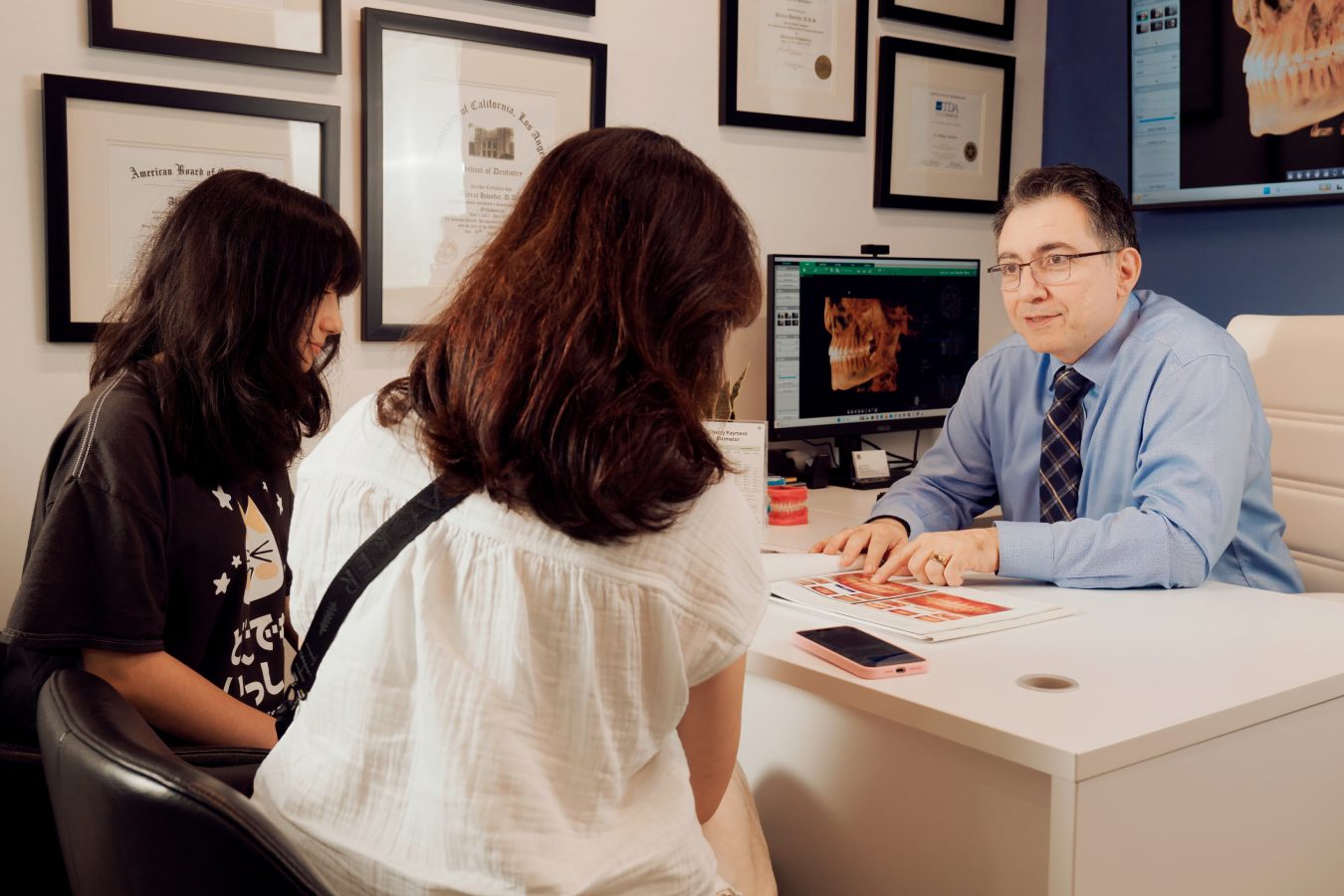
A free orthodontic consultation is a no-cost first visit where an orthodontist examines your teeth and bite, takes digital records, explains whether you need treatment, and walks you through your options, timing and payment choices. There is no obligation to start.
What is a free orthodontic consultation, and why do practices offer one?
A consultation is the step between wondering about your smile and actually knowing what it needs. At Mia Orthodontics, the free consult in Houston is built around understanding your goals, answering your questions and mapping out a custom plan, with zero obligation and expert guidance from the first visit.
Practices offer the visit free because nobody can make a sensible decision about braces or aligners without an exam. Online quizzes and photos can suggest that something is off, but they cannot measure how your jaws meet, how much room your teeth have, or whether a bite problem is dental or skeletal. The consultation answers those questions first.
Is it really free, or is there a catch?
The consult itself carries no fee and no commitment. You leave with a clear picture of what is going on and what treatment would involve, and you decide in your own time. Nobody should feel pressured to sign anything on the day, and if a practice pushes you, that tells you something about how the rest of treatment will feel.
Who should book one?
Anyone with crowding, gaps, a bite that feels off, jaw discomfort or simply a question about their smile. Most patients start braces between ages 10 and 14, but adults benefit at any age, and children can be evaluated as young as 7, when early problems are easiest to guide.
What happens during the appointment, step by step?
Every visit is tailored, but most consultations follow the same arc: conversation, records, examination, then a plan you can actually understand.
1. A conversation about your goals
It starts with you. What bothers you about your smile? Are you worried about how your teeth look, how they fit together, or both? Parents are asked about habits, growth and any breathing or sleep concerns. This is also the moment to mention past orthodontic treatment, a relapse after braces, or a timeline you are working toward.
2. Digital records instead of goopy molds
Instead of impression trays, Mia Orthodontics uses an intra-oral scanner that captures a 3D model of your teeth in minutes, with no goop and no gagging. Depending on your case, the team may also use the RayFace 3D face scan and a 4-in-1 digital 3D X-ray system that combines panoramic, cephalometric and CBCT imaging with minimal radiation. You can see how each tool works on our technology page.
3. The clinical exam
Dr. Alireza Hourfar, a board-certified orthodontist with more than 25 years of experience, then looks at alignment, spacing, how your upper and lower teeth meet, jaw function and gum health. He is checking for issues such as overbites, underbites, crossbites and open bites, which affect chewing and wear as much as appearance.
4. Your options, explained
Finally, you get a recommendation and the reasoning behind it: whether you need treatment now, later or not at all, which appliances fit your case, and roughly how long treatment would take. Braces cases typically run 12 to 24 months, and your plan will be specific to you.
How should you prepare for your first visit?
A little preparation turns a good consultation into a genuinely useful one.
- Write down what you want to change and any symptoms, such as jaw clicking or headaches.
- Bring your dental insurance card so benefits can be checked.
- Bring a list of medications and any recent dental X-rays you already have.
- For a child, note habits you have seen: thumb sucking, mouth breathing or snoring.
- Think about lifestyle: sports, instruments, travel or a wedding date can shape the plan.
Questions worth asking
- Do I need treatment now, or is it better to wait and monitor?
- Which options work for my case, and why would you choose one over another?
- How long will treatment take, and how often will I need to come in?
- What is included in the fee, and are retainers covered?
- What happens if a bracket breaks or I fall behind with aligner wear?
If you are still comparing practices, our guide to finding the right orthodontist in Houston covers credentials and the patient experience in more depth.
What treatment options might you hear about?
The right appliance depends on your bite, your goals and how you live. Here is how the main options compare in plain terms.
| Option | What it is | Often a good fit for |
|---|---|---|
| Traditional metal braces | Durable brackets and wires, sleeker than older designs | Complex movements and patients who want the most proven approach |
| Ceramic (clear) braces | Tooth-colored brackets that blend in with your teeth | Teens and adults who want braces that are less noticeable |
| Self-ligating braces | A slide mechanism holds the wire instead of elastics | Patients who want less friction and fewer ties to manage |
| Clear aligners | Removable 3D-printed trays that move teeth in stages | Motivated patients who want to remove the appliance to eat and clean |
| Early (phased) treatment | Guidance for kids while the jaws are still growing | Children with developing crowding, crossbites or habits |
Many adults and teens ask about clear aligners at their consult, while others prefer fixed braces in Houston. Dr. Hourfar will tell you honestly which one suits your case, including when an aligner is not the best tool for a particular movement.
How are cost and payment handled at the consultation?
Cost depends on the type of treatment and the complexity of your case, so a real number only exists after the exam. At Mia Orthodontics, pricing is explained clearly and upfront, with no hidden fees, and the team walks you through every detail before you decide.
Insurance and monthly payments
The practice accepts most major dental insurance plans and offers flexible financing, including interest-free monthly payments. Many dental plans include orthodontic benefits, and the team can verify yours. For another route, the Smile Now, Pay Over Time option through Sunbit shows what you qualify for in about 30 seconds without affecting your credit score.
Why the estimate is more useful than a price list
Two people who both want straighter teeth can need very different treatment. One may need a short course of aligners; another may have a skeletal bite that needs a longer plan. An estimate tied to your own records avoids surprises later.
What if you can’t come in right away?
If a busy schedule is the obstacle, you can start online. The virtual consultation asks you to take eight photos of your smile with a smartphone and a helper, then fill out a short form. The team reviews your photos and lets you know whether treatment looks right for you. An in-person visit is still needed before treatment begins, because scans and X-rays can’t be taken over the phone, but a virtual start can answer your first questions quickly.
Tips for better photos
Use a well-lit room and have someone else take the pictures. Holding your cheeks back with two spoons helps show your teeth clearly, and the clearer the photos, the more the team can see.
What happens after the consultation?
You go home with a clear understanding of your options. If you decide to move forward, the next visit is usually when your appliance is placed or your aligners are delivered, planned from the digital records you already have. If you are not ready, or your child is better off waiting, the team can schedule a follow-up to monitor growth instead of rushing into treatment.
During treatment, tools like DentalMonitoring let the team check progress remotely through a smartphone app, which can mean fewer trips to the office for busy families.
Free consultation FAQs
How long does an orthodontic consultation take?
Allow enough time for records, the exam and your questions, and ask the office how long to plan for when you book. Digital scans are quick, so most of the visit is spent talking through your options.
Should I bring X-rays from my dentist?
If you have recent dental X-rays, bring them or ask your dentist to send them. The practice takes its own digital 3D records as needed, but your history helps complete the picture.
Can treatment start on the same day?
The consultation is focused on diagnosis and planning. Some cases can move quickly, and the braces page notes same-day treatment options, but you are never expected to decide on the spot.
Is a second opinion worth it if another office already quoted me?
Yes. Treatment plans can differ a lot between practices, and a free consult is an easy way to compare recommendations, timelines and what each fee includes before you commit.
Book your free consult in Houston
Mia Orthodontics is at 3636 Greenbriar Dr., Ste A-101, Houston, TX 77098, near Upper Kirby. Call or text (281) 661-2789, or contact our Houston office to find a time that works for you.